Built at 9,000 ft in Colorado
Hi, we're Bret and Bricelyn.
TrekWeather is a small weather app built from a Colorado cabin for people planning real trips in real terrain. It is personal, independent, and made by people who use it outside.

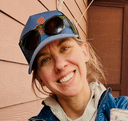

Built from a Colorado cabin.
No investors, no ads, no corporate sponsor, no private equity, and no venture capitalists.
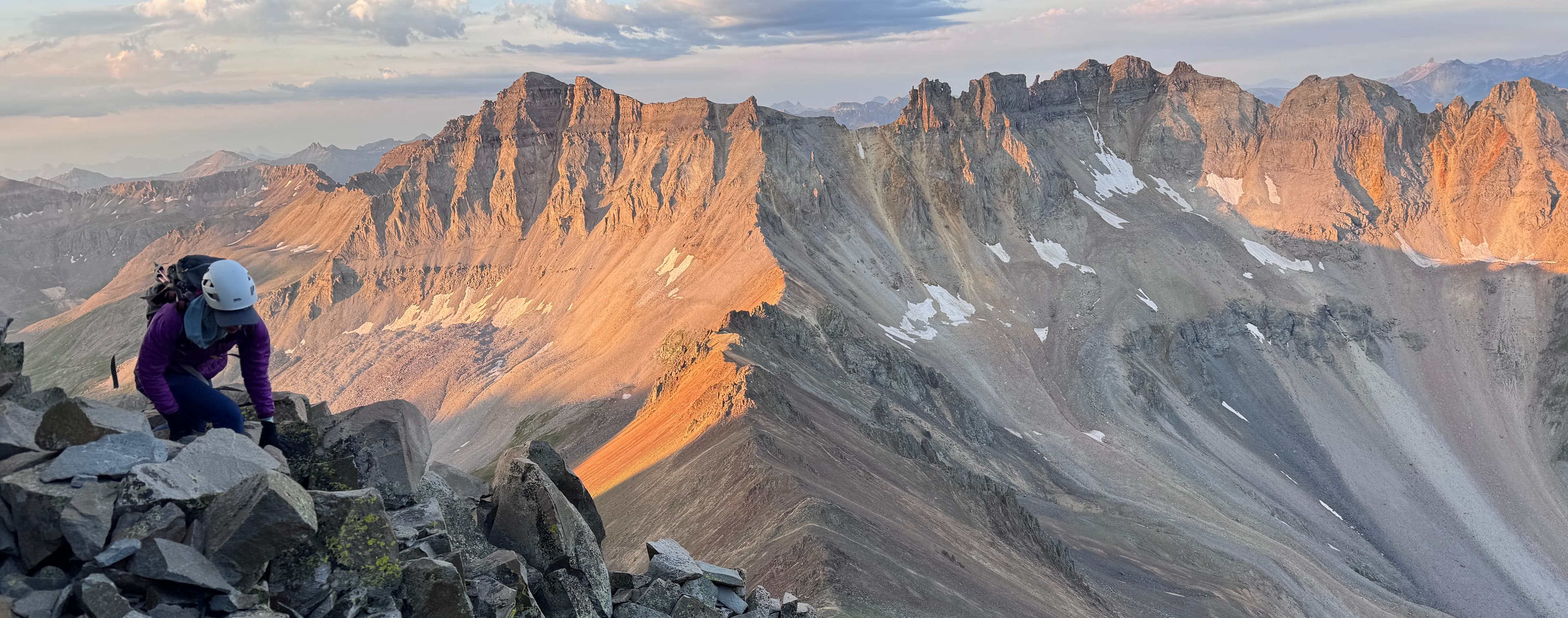
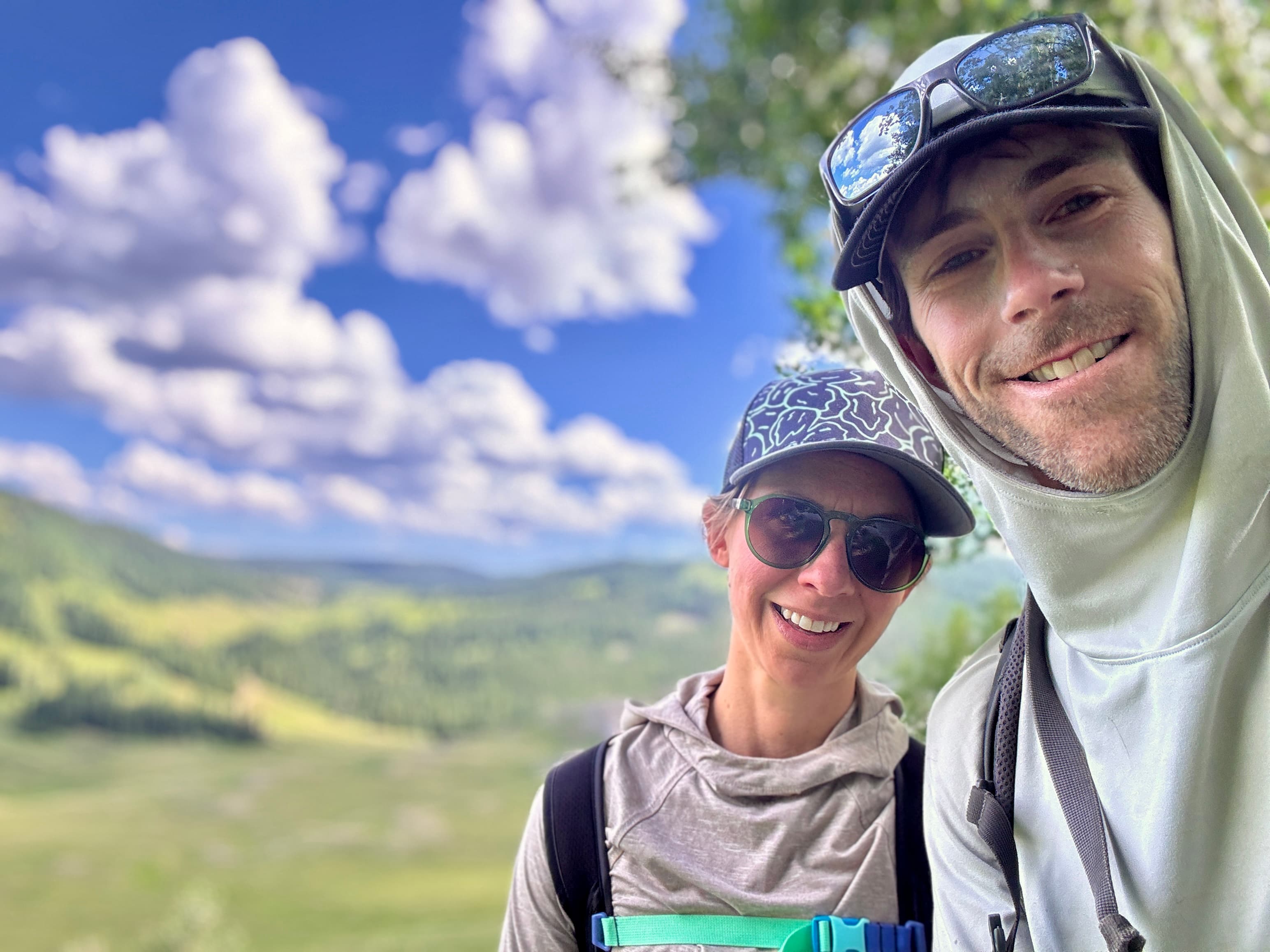
We live in a cabin at 9,000 feet in the Colorado Rockies with our golden retriever Milton.
TrekWeather started because I spend a lot of time outside and got tired of weather apps that only tell you about the nearest town, often thousands of feet below where you're actually going.
So I built the thing I wanted to use: forecasts for the specific coordinates and elevation of the place you're going.
In a time of endless feeds, attention-grabbing algorithms, and AI-generated noise, I wanted TrekWeather to be a reminder of what the internet can still be: a small, focused place that serves a real community of people who love the outdoors.
Why I started building this
In 2015, I was on Mount Bierstadt when lightning struck and injured 15 people. I wasn't one of them, but I was close.
Looking back, I was clueless. I probably searched for Georgetown, the nearest town, not the actual mountain. NOAA had the data I needed, but it wasn't mobile-friendly. Everything else showed the same nearest town, thousands of feet below where I actually was.
TrekWeather gives you forecasts for the actual place you're going, at the elevation where you'll actually be. Whether I'm planning a backcountry ski tour, a long hike, or figuring out when afternoon storms are coming, I use this tool myself.
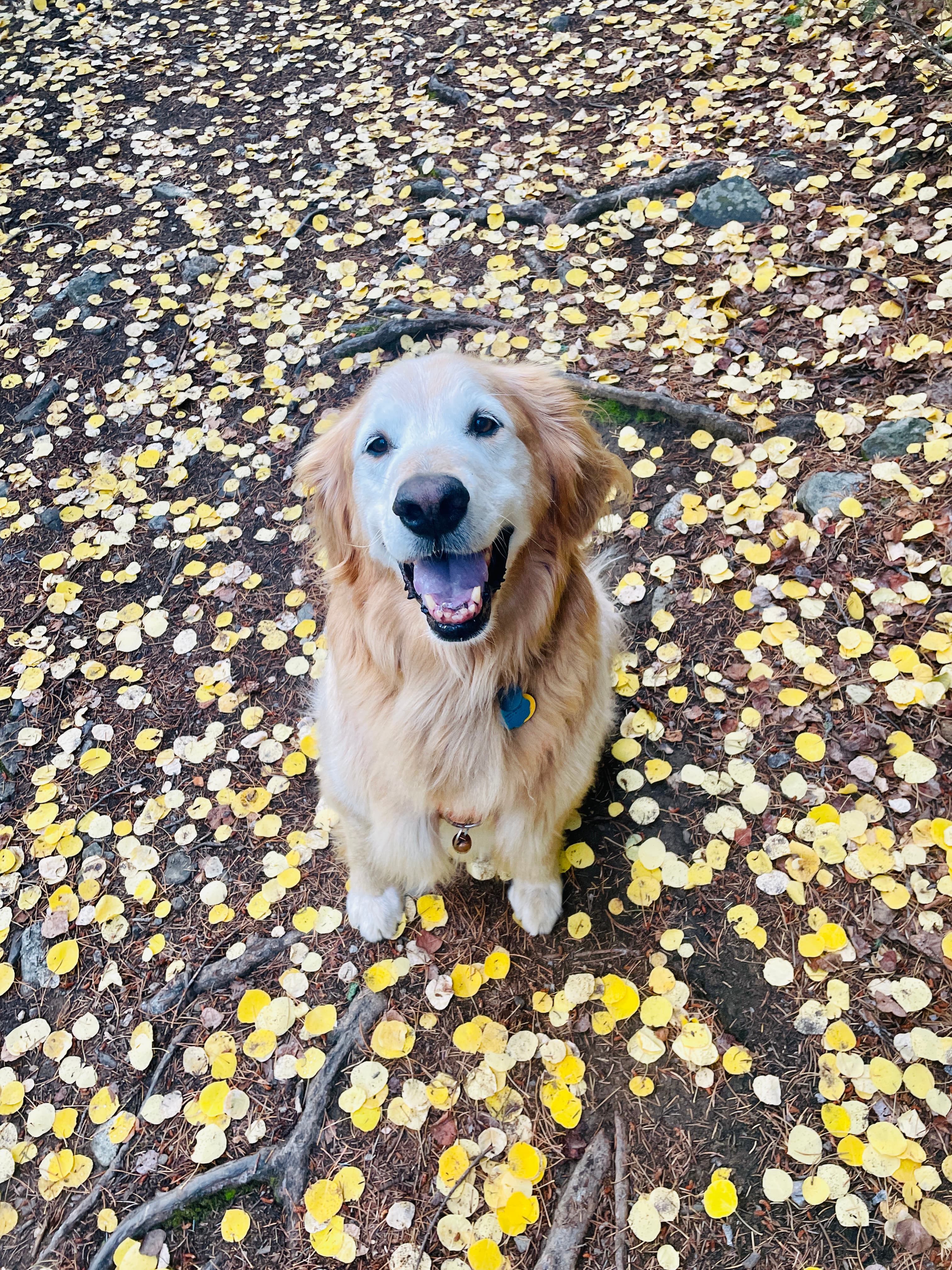
Our 11-year-old golden, Milton.
The project is alive, and you can watch it grow.
I write about what is shipping, what I am learning, and the real trips that make this weather work matter.

Built in Colorado
Support TrekWeather
If TrekWeather helps you plan real trips, Premium keeps it going. Every upgrade helps pay for forecast data, maps, infrastructure, and the next careful improvement.
How Does It Work?
Search for a trail, peak, or campground, then use the map to get pinpoint forecasts along your route.
Or explore the map to find any location.Know someone who'd love this?
TrekWeather grows by word of mouth. If you know a hiker, skier, or peak-bagger who deserves better forecasts, send them this way.